Welcome!

Welcome to the Bookshelf Detective, a site packed with tricks and tips for readers and writers of children's literature. Thank you for visiting!
Cheers,
Kim Tomsic

Friday, July 14, 2023

Awards and Classroom Resources for Elephants!

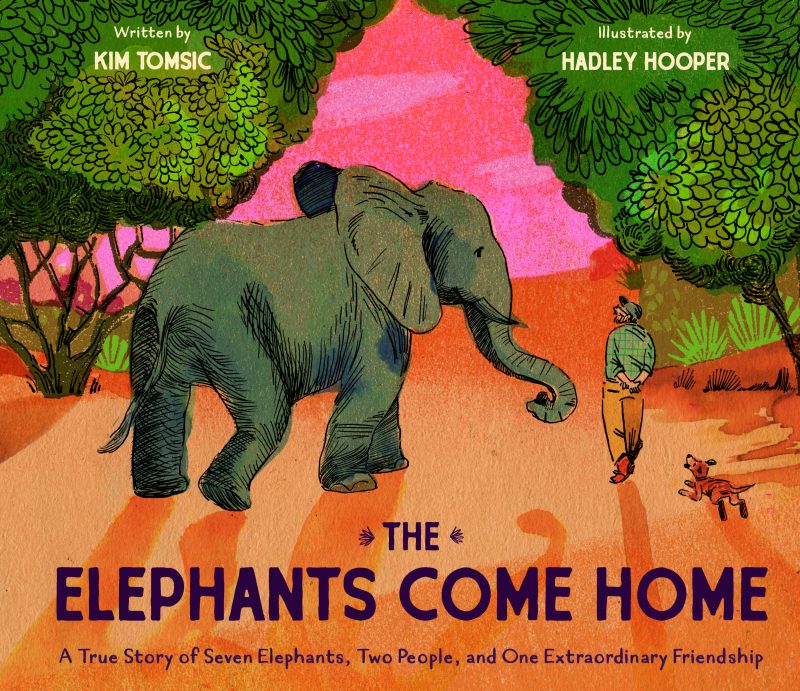
THE ELEPHANTS COME HOME

(Chronicle Children’s Books, May 18, 2021) ISBN: 978-1452127835

**Printable Classroom Activities & Resources Page

**Book a School Visit 

The amazing true story of a herd of elephants, the man who saved them, and the miracle of love that brought them home.

One day in 1999, Lawrence and Françoise learn that a herd of wild African elephants needs a new home. They welcome the elephants to their wildlife sanctuary in Zululand, South Africa—Thula Thula—with open arms. But the elephants are much less sure they want to stay. How will Lawrence prove to them that they are safe and loved? What follows is a gorgeously illustrated real-life story of a friendship . . . and the story of the miraculous way that love given freely will return—greater and more wonderful than it began.

Classroom Resources and Activities

Elephant Voices: How do elephants communicate with one another? What does the position of their trunks mean? Why do they flap their ears?  What is infrasound? Learn all this and more at “Communication between Elephants Voices and Sounds.” *Bonus, scroll to the bottom of their webpage and hear recordings of elephants! 

THE FIVE SENSES: Would you like to learn more about an elephant’s vision, hearing, or their keen sense of smell?  Check out more about elephant senses.

Warm Blooded vs. Cold Blooded Creatures: At this link, Sea World features a classroom activity for teachers and students to discuss warm blooded vs. cold blooded animals. Make sure you add elephants to the conversation!

Animal Spelling Bee: The Sea World website features another fun activity. You can host an  animal-centered spelling bee – just add “elephant” to the list. You’ll discuss words like “conservation”, “habitat”, and more. Consider adding “Zululand, South Africa” to the list, and discuss the difference between a continent and a country.

Meet the Elephants of Thula Thula (prounounced toola toola). Learn the names of the elephants that live on the wildlife sanctuary. Read about their conservation efforts or the history of the reserve. Perhaps you will decide to work together to save “Pennies for Protection” and adopt an elephant. 

 Video (7:12): See Lawrence Anthony call for the herd like you might call in a puppy from the yard. This seven-minute video titled “Lawrence Anthony's Rehabilitation of Elephants”, will be sure to delight you and your students. You will see all the stars of The Elephants Come Home.

Elephant Voices: This webpage takes a deep dive into identifying elephant behaviors, defining terms, and naming modes of communication.  

Awards & Critical Praise

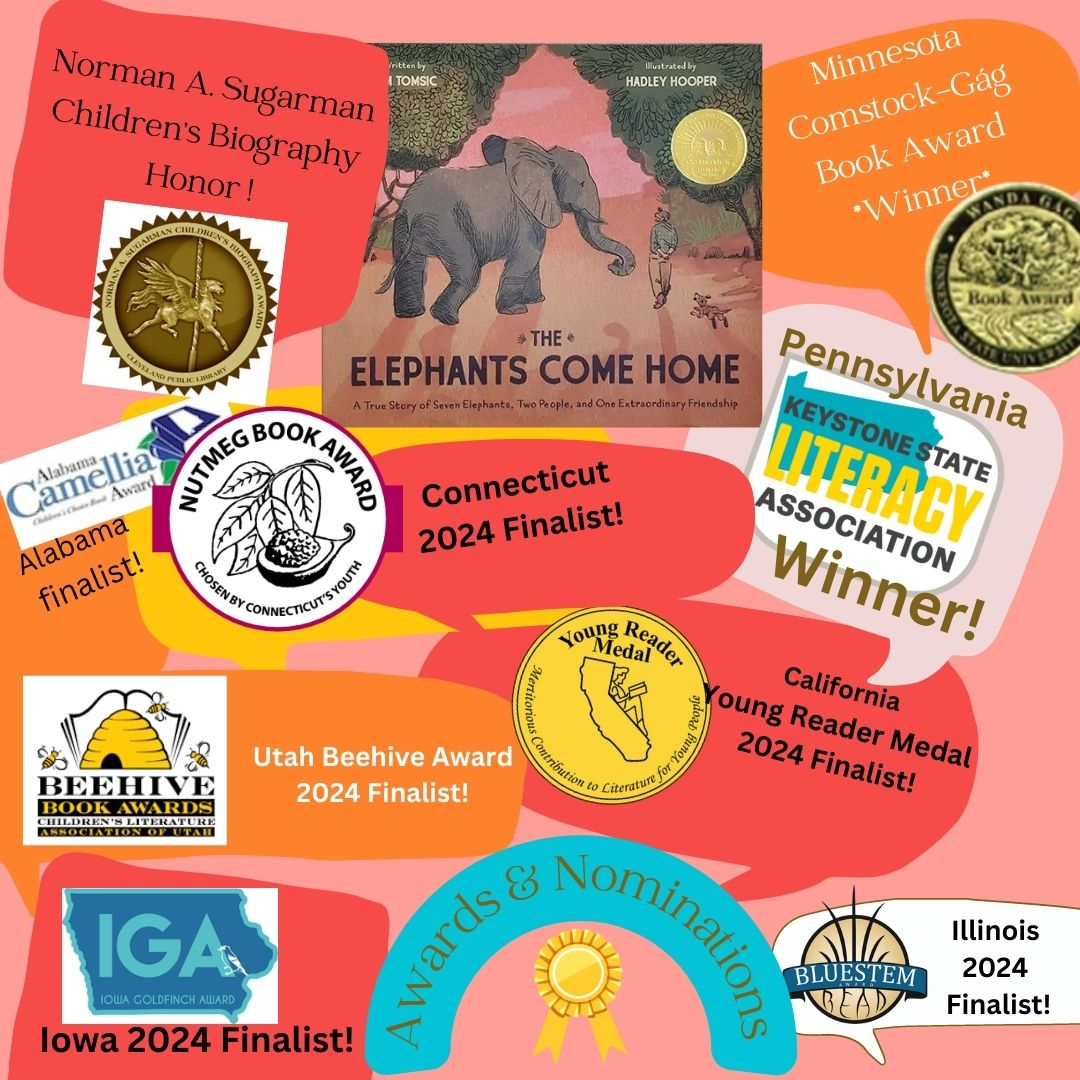
Awarded the Norman A. Sugarman Honor in Children’s Biography

Winner!    Pennsylvania Keystone to Reading Elementary Book Award Primary Grade Winner

Winner!  Minnesota Comstock-Gág Book Award Winner

Finalist for Alabama Children’s Choice Camellia Award Finalist grades 2-3

Finalist for CYBILS Award

Finalist for the Kentucky Blue Grass Award

Finalist for the 2024 Connecticut Nutmeg Award

Finalist for the 2023-2024 California Young Readers Medal

Finalist for the 2023-2024 Iowa Goldfinch Award

Finalist for 2024 Illinois Bluestem Award grades 3-5

Finalist 2024 Utah The Beehive Award


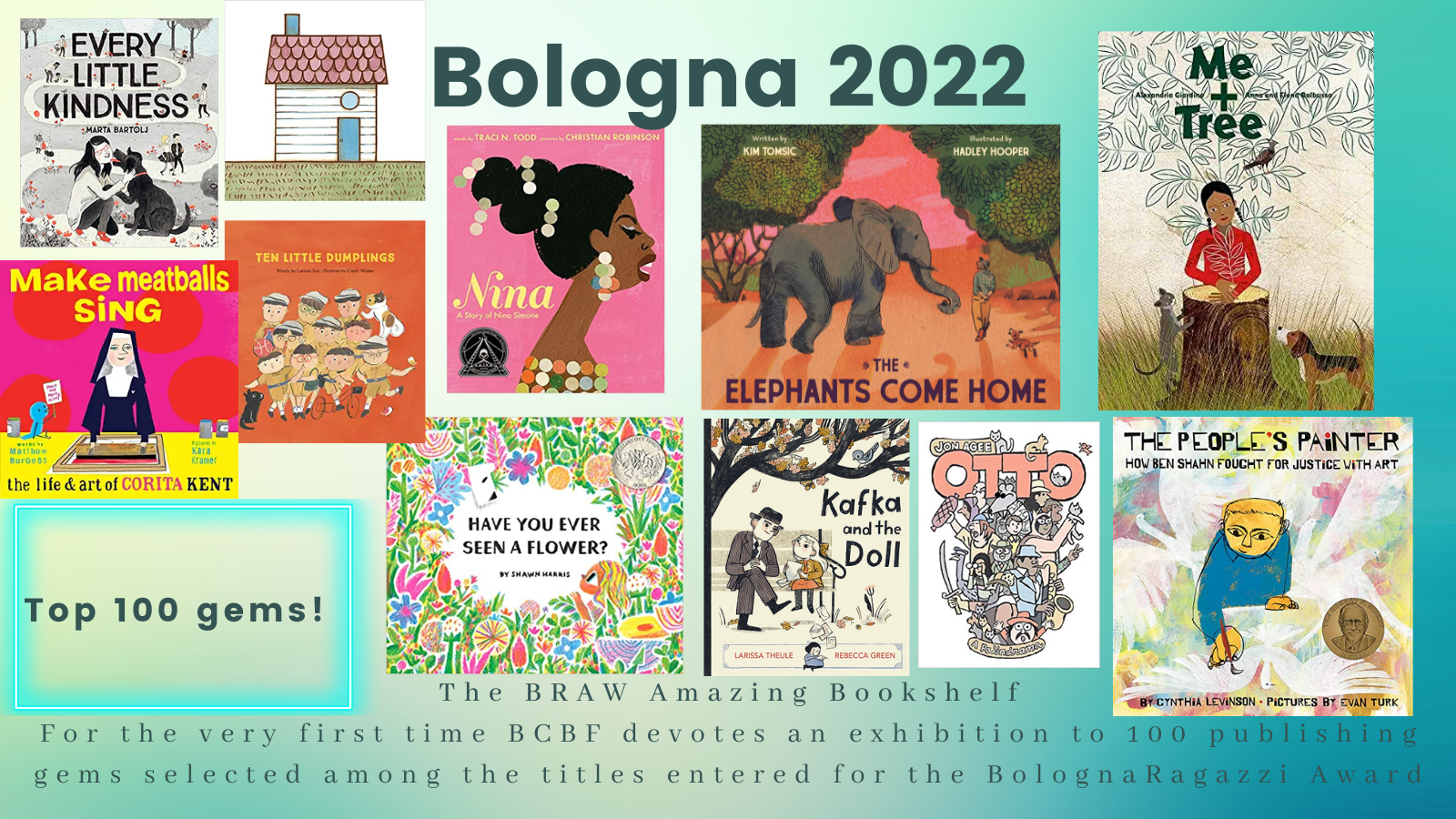
Showcased at the Bologna Children’s Book Festival’s BRAW Amazing Bookshelf of “100 publishing gems” chosen from a selection of 2,200 books submitted by publishers from around the globe.

“The story’s flawless, gentle pacing illuminates the animals’ initial fear and the time, patience, and compassion it takes for attentive Lawrence to earn their trust…Hooper’s…shades of rich blue and soft rose heighten the story’s emotional impact.”—Horn Book Magazine

“In brief action-packed sentences, Tomsic informs readers of all the steps taken to bring [the elephants] back, with the text placed against Hooper’s beautifully realized illustrations of African animals and the vast, gorgeous landscape…with its focus on the elephants and the protagonists, this book is lovely, tender, and moving.”  —Kirkus Reviews

This touching true story portrays conservationist Lawrence Anthony’s relationship with a frightened, hunted herd that found a home at his reserve in South Africa, Thula Thula..The importance of conservation shines through the friendship story here, and both themes are beautifully complemented by Hooper’s detailed, atmospheric drawings of the elephants and their surroundings.”—Booklist

 “The illustrations are expansive with a limited color palette of warm oranges and cool greens and blues. The animal characters are dynamic, humorous, and emotive…A sentimental but high-­interest story based on true events of the bond between wild animals and the humans who care for them.”         —School Library Journal

Where to Find:

Your local library. If they don't have a copy available, please request that they carry!

Available at

The Wandering Jellyfish: Click Here

Changing Hands Bookstore: Click Here

Barnes and Noble: Click Here

Indiebound (or to check your local bookstore): Click Here

Red Balloon Bookshop: Click Here

Amazon: Click Here

Or simply ask your local bookseller!


*Printable Resource Page: CLASSROOM RESOURCES
 available here.  

**Book an in-person or virtual  School Visit!

Wednesday, July 5, 2023

4 Success Stories - How a Children's Book Writing & Illustrating Conference Launched the Careers of Four Authors and Illustrators

Conferences are kingmakers. It’s true! Talk to published authors and illustrators, and you'll discover that more often than not an attendee’s career moved into hyper-drive after taking part in a conference. A conference is where you meet people with a shared passion, and you develop new neural pathways for craft. Ideas bubble to mind, and important connections are made. Many publishing hopefuls met their agent or editor attending breakout sessions, getting critiques, or selecting the right seat at an open-table luncheon. 


Illustration courtesy of Brooke-Boynton Huges
Illustrator Brooke Boynton Hughes attended SCBWI's International conference in California more than a decade ago. She entered her portfolio in the illustrator showcase, didn't win but got noticed. In fact, she signed with agent Marietta Zacker and landed a book deal that same year! Furthermore, Brooke signed up for the one-on-one portfolio review. She received feedback throughout the conference weekend and learned nuanced details about craft. When she returned to the event the following year (2013), she walked away as the Portfolio Showcase Honor Award winner and the Mentorship Award winner! In 2014, she received the Portfolio Honor Award at SCBWI's Winter Conference in New York. 

    Brooke's success didn't come from one conference. She says, 

I think the most important part about attending conferences is the chance to have one-on-one portfolio critiques and the opportunity to learn about your craft.  I attended six or seven international conferences and three or four regional conferences before I was published and before my portfolio was recognized in the showcase."  
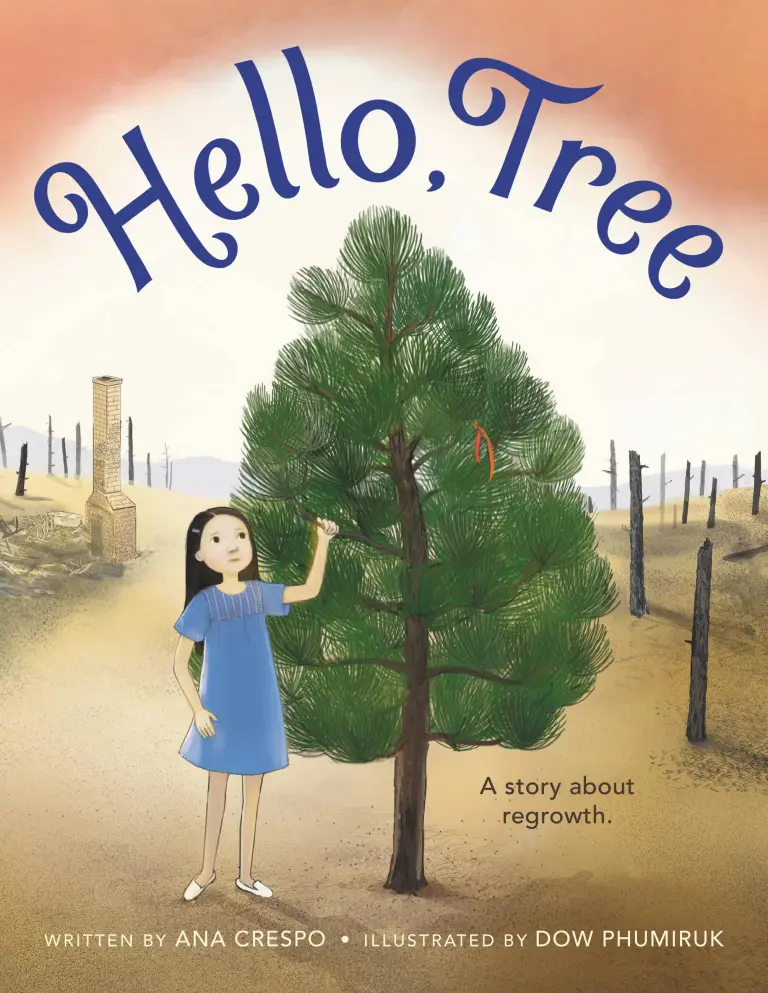
Now her illustrations are published in books with Beach Lane, Disney Hyperion, and Random House.Author turned agent Ana Crespo met her editor, Kelly Barrales-Saylor who was then an editor with Albert Whitman and Co. (she is now an editor with Sourcebooks) during the regional Rocky Mountain SCBWI conference. Ana signed up for a manuscript critique and landed a feedback timeslot with Kelly. After listening to Kelly’s edit suggestions and taking ample notes during workshops, Ana was armed with ideas to improve her writing. Ana went home, reworked and edited her story, then queried Kelly who bought and published The Sock Thief. Ana went on to sell four books to Albert Whitman in a series called JP BOOKS, MY EMOTIONS AND ME. During another conference, she met Alvina Ling Executive Editorial Director of Little Brown Books. Alvina later published Hello Tree, illustrated by Dow Phumiruk.


I met my editor, Melissa Manlove of Chronicle Books, at an SCBWI conference, and let’s just say it involved an unofficial scavenger hunt, an Aperol Smash, and a failed pitch. But that failed pitch was part of a connection, and in the end I received a business card and an email address. A year-and-a-half later I worked on the craft points I’d learned at the conference, I worked with my critique group, I read and drafted, and then I sent a query letter about a new manuscript—here’s where I cue the drum roll and build to a frenzy—I got a YES! That’s how I sold the award-winning picture book, THE ELEPHANTS COME HOME

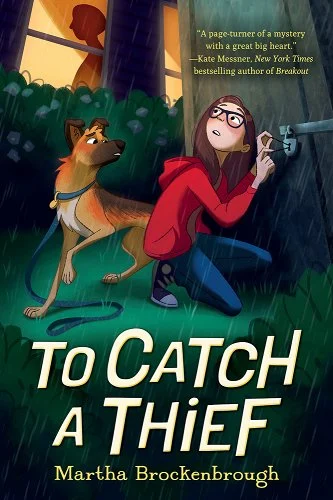
If the above three stories haven't convinced you that conferences are kingmakers, here’s one more. Author Martha Brockenbrough met the editor of her debut picture book The Dinosaur Tooth Fairy at a conference. His name - Arthur Levine of Arthur A. Levin at Scholastic (he is now an editor and founder of Levine Querido). Martha says in an interview with SCBWI, “Truly. Every picture book I’ve ever sold has come directly from my time at an SCBWI conference”. Martha has since sold many picture books and highly-praised novels. Her latest middle grade novel, To Catch a Thief, is out now!

Monday, July 3, 2023

Walter Grant by We Need Diverse Books

What would it take to get you to the next phase of your writing or illustrating dream? A computer? A class? A conference? Something else? We Need Diverse Books and the Walter Grant offer an opportunity to help you take a step forward.   

Take a glimpse at some of the awesome books created and/or contributed to by previous Walter Grant winners: 


We Need Diverse Books extended the deadline to apply for the 2023 Walter Grant to July 10, 2023. If you miss the deadline, read on to get an early start for next year. 

From the We Need Diverse Books website: 

"The Walter Dean Myers Grant program was established to provide grants of $2,000 each to promising diverse writers and illustrators who are currently unpublished. Since 2015, we have awarded 45 grants. Current and former grantees have gone on to publish or contract over 50 books for children and teens."

2015 winner, Angie Thomas, used her award to buy a computer. She went on to write the New York Times Bestseller The Hate U Give and other award winning books. Read more about previous winners in this article by 
Andrea Ruggirello.  

Requirements when applying - you'll include:

  • a brief statement (200 words) about how you will use your grant money to further your writing career. 
  • a 200-word summary of the work you're submitting.
  • 1 500-word essay about how diversity impacts your writing and/or illustrating career. 
  • a 2,500-word excerpt of your work (in the genre in which you are applying) or 4 to 6 illustration samples  

Read here to learn details about submission guidelines, application process, and eligibility details. 

Where to apply:  Right on the webpage - read and scroll down to complete. There's a list of FAQs at the bottom of the webpage: We Need Diverse Books Walter Grant 

Direct any questions to waltergrant@diversebooks.org

Cheers,
Kim

P.S. Who is "We Need Diverse Books"? 
We Need Diverse Books™ is a 501(c)(3) non-profit that advocates essential changes in the publishing industry to produce and promote literature that reflects and honors the lives of all young people.

Details here.


Monday, June 26, 2023

10 Proven Ways to Jumpstart Your Writing Career

A few times a year, someone I know - a friend, cousin, neighbor, dental hygienist, etc. -  confesses they’d like to write a book. They mention how they've heard about my upcoming release, The Truth About 5th Grade, co-written by me and Mark Parisi (summer 2024, HarperCollins). 
by Mark Parisi

Or they mention my award-winning books with Chronicle or one of the writing classes I teach.  

All ask the big "H" question - “how”. How do you write books and/or have a successful writing career?

I love sharing goals and dreams with friends, so the question is a huge compliment!


My most recent email sounded like this: 
Hey Kim! I know you are a writer, correct? I am thinking of writing a true life story. Any pointers you can give me? How do I go about presenting to a publisher? Is it best that I get a writer to assist me in my story? Any help/guidance would be greatly appreciated. Thanks!

Here’s my evolving answer. I hope the following information is useful to you, too:

I'm happy to hear you're interested in writing a book. Good for you to ask questions early! When I decided I wanted to write, I spent a year creating a 60,000 word novel. After I finished, I read a book on craft and talked to experienced writers—that’s when I discovered the one-million things I did wrong, haha—oh well! The best thing I did was sitting my butt in a chair and getting started. Here are my recommendations:

1. BIC (butt in chair). Have a goal of how many words a day you plan to write and do it (by the way, word count is where it's at; not page count). Set aside a time every day to write and commit to that schedule. For me, it is first thing in the morning. One of my friends writes at night after everyone has gone to bed. 
2. Join an Organization. Join a genre-specific organization and participate in activities and events. I write children's books, so I joined the SCBWI (Society of Children’s Book Writers and Illustrators). There are many organizations. It might take a bit of research for you to find the right fit (Romance Writers of America; History Writers of America, Science Fiction Writers of America, etc.).
3. Connect with Other Writers. Research to see if anyone in your area hosts a writers connection event (a writer get-together). When I lived in Colorado, I co-hosted a Connect for SCBWI members who lived in Boulder area. The other co-host and I picked a topic and moderated a group discussion. We covered novel structure, character development, craft book discussions, goal setting, etc. Now that I live in Phoenix, and I co-host a Write Night.
4. Read: Find craft blogs and read, read, read. My blog is geared toward children's book writers and readers. I post book recommendations, interviews with agents and editors, and writing tips. I like the SCBWI blog by Alice Pope, and several others such as Deborah Halverson's Dear Editor. I also like Adventures in Children’s Publishing, and one by Nathan Brandsford.  In addition to blogs, read craft books like SAVE THE CAT by Blake Snyder, or WIRED FOR STORY by Lisa Cron, or SCENE AND STRUCTURE by Jack Bickham, or THE BREAKOUT NOVELIST: Craft and Strategies for Career Fiction Writers by Donald Mass, or Everybody Writes: Your New and Improved Go-To Guide to Creating Ridiculously Good Content by Ann Handley.
5. Find or form a critiquing group. This is crucial! It takes a village to write a great book—your village starts with your critique group. A good critique partner tells you about your glows and grows. I like the sandwich method—that's when you begin by talking about what you specifically like and what works well and even why you think it works well; next you discuss what needs work and why (in your opinion); lastly, close with something specific and positive. If you can't find an in-person critiquing group, there are many on-line forums.

6. Social Media. Find a social media forum that fits your style and “follow” a focused base of people who are experts, consumers, and also novices in your field—through them, you can stay on top of what is relevant—i.e. conference chatter, or when is the so-and-so book award coming out, or when is Dear Editor giving away a free critique, or what's the latest in Publishers Marketplace, or what did so-and-so say this time.
7. Subscribe. Consider a subscription to Writer's Digest, Poets & Writers, or Publishers Marketplace. Subscribe to the free email offered by Publishers Lunch.
8. Attend a conference. The knowledge you'll gain at a conference will close the learning gap quickly (craft, formatting, word count, looking professional, how to, and more). Also attend a writing workshop, one that is craft and feedback focused.

9. 
Podcasts. Listen to Grammar Girl podcasts and become familiar with The Punctuation Guide, then forgive yourself for how many things you get wrong (but fix them).
10. READ read and read. Reading is important to mention a second time! Be a good literary citizen. Good writers need to be avid readers first, especially in the genre they want to write. It is bananas to me when someone says they want to write a children's book, yet all they read are adult books. The best writers are readers first.
Good luck! I look forward to seeing your name listed under New York Times Bestsellers.


Tuesday, June 13, 2023

5 Quick Reasons Why Reading Connects You with Literary Agents, Authors, and Editors


If you’re planning to attend a local event, regional gathering, or even an international publishing conference, I strongly urge you to READ! Reading the faculty members’ books prior to the event will give you more bang for your buck!

Connecting with Authors and Attendees: Reading select books in advance is a great way to connect with what is said in the keynote speeches and breakout sessions, and it provides a common ground with fellow attendees. 

Connecting with Agents: Read books written by the agents' clients - especially the agents whom you'd like to connect with. Reading an agent's clients' books is a great starting point to vet if an agent might be a good fit for you. You'll get a sense of their taste, and you might see the agent acknowledged in the back of the book. Furthermore, reading an agent's clients book offers material for nice conversation starters. If you like the agent, another step to vet them is by checking out what they're looking for on their manuscript wish list at #MSWL

Connecting with Editors: Furthermore, read books the editors on the faculty have worked on. Get to know an editor's taste and style. When you land in an elevator or bump into an editor at a conference-sponsored coffee or cocktail party, you'll have something authentic to talk about that is "them" focused.

I’ve been to dozens of SCBWI conferences. Every year, I’m thankful I did my self-imposed homework—it's worth the effort. 


Here are the top five reasons reading books written/edited/or agented by conference faculty will give you a RICHER, MORE TEXTURED conference experience:

Mem Fox reading to the audience! 
1.      You'll enjoy keynotes on a deeper level, because you’ve already crawled inside the author’s
head. Instead of looking at a stranger standing at the podium, you’ll feel like you’re listening to a friend. When a speaker refers to their book in a keynote or break-out session, you’ll be connected and understand the “inside” jokes and references. Do you have to read books before coming—No. Do the speeches feel more engaging and meaningful if you do—Absolutely, yes!

2.      You have conversation starters and a better opportunity to connect with the faculty, not to mention connecting with fellow attendees. I can't tell you how many times I've turned a stranger into a friend, because we both gushed over a faculty member's book. 
Reading your way to lasting friendships!
3.      You look like a professional. Reading the work of relevant speakers shows that you care about what’s happening in the publishing industry. You show that you are a good literary citizen. Furthermore, it’s a great way to vet which publishing professionals might be a good fit for you. Other ways to stay on top of what's happening in the publishing industry is subscribing to a free weekly update in Publisher's Lunch (by Publisher's Marketplace).

4.      You get exposed to books and genres you may not have considered—this helps rev-up the creative juices. Who knows - perhaps your own work will benefit.

5.      Great writers are readers first! 


Wednesday, June 7, 2023

6 Golden Rules - Advice From Top Agents and Editors in the Publishing Industry - What Publishers Say About Your First Page Behind Closed Doors

DREAM TEAM:  Nick Healy, Caryn Wiseman, Andrea Brown, Jennifer Mattson, Melissa Manlove

Writers want to know the secret sauce that makes editors, agents and readers turn a first page in a book. Some say authors must get the inciting incident on page one. 

Screenwriting books advise the inciting incident should land on page ten (or for books, the first 10% of a novel). Wendy Loggia of Delacorte Press/Random House once told me it’s hard to care about an inciting incident until we care about the character. She went on to say that many writers want to get to the good stuff first, but it all has to be good.

To further understand the art of the first page, I asked Andrea Brown, president of the

Andrea Brown Literary Agency (ABLA), to host a panel session during the Big Sur in the Rockies writing workshop held in Boulder, Colorado. On a rainy Saturday afternoon, participants submitted the first page of their work-in-progress and gathered to hear feedback from a dream-team of publishing professionals—Melissa Manlove from Chronicle  Books, Nick Healy from Capstone Publishing, and three ABLA agents: Andrea Brown, Caryn Wiseman and Jennifer Mattson.  The panel provided insight on what works and what doesn’t on the first page of manuscripts, everything from picture books to YA novels. 

Here’s what I heard:
1.  Don’t rob readers of experiencing the emotional state of the character. This is another reason agents and editors (and readers) want you to SHOW DON’T TELL. For example, writers should not write George was upset about his report card—that TELLS the emotional state. Write something along the lines of George wadded up his report card and shoved it to the bottom of his backpack

2.  Picture Book Writers—WATCH OUT for subjective-clause filled sentence structure. Instead, choose an appropriate sentence structure for your audience. Let sentences end so readers land on an idea. Simplify your language and let the art carry a good portion of the story's weight. (And on a sidenote, it’s a good idea to keep emotional conflict out of bedtime stories).

3.  All Manuscripts—
·        Avoid over choreography.
·        Read your pages out loud and listen for repeating words or repeating a character’s name—fix if you’re over using it and it doesn't sound natural.
·        Choose active verbs. Instead of using “to be” verbs, choose verbs powerful enough to eliminate adjective and adverbs.
·        Remember that books set in the 1980’s and 90's are now considered historical fiction.
·        Don’t lead with generic circumstances that stay generic, stay away from common storylines and add something fresh and original.
·        Don’t write a book with didactic intentions and please don’t write with a didactic tone; kids will see right through this. “We don’t go to stories for lessons,” says Melissa Manlove  (though please see Melissa’s additional feedback listed at the end of this article).
·        Be careful so that you’re not long and heavy on details. Readers don’t want to wade through the mundane to get to the good.
·        “Many editors dislike prologues and we want you to be as rejection-proof as possible so don’t use them unless you really must.” Andrea Brown
·        Some panel members are not fans of mixing anthropomorphized animals with talking humans. That’s not a rule, just a note of preferences when querying this panel.
·        The Picture Book industry is currently hot on having character-driven picture books, but characters still needs to have a motivation.   
·       

4.  Using illustration notes in picture books. Please know this varies between editors (for example, never (never ever) send an illustration note to Beach Lane Books). Per the members on this panel, illustration notes are fine, but only if it is necessary for the editor or agent to get an inside joke or a something that is not relayed in the words. Do not use illustration notes to describe your character or provide unnecessary art direction.

5.  Writing in Rhyme. If you are writing in rhyme, please take a look at any book that’s won a Geisel Award (p.s. fun fact—Andrea Brown worked with Theodore Geisel long ago!).
I’ve attended dozens upon dozens of conferences, and though many agents and editors say they don’t like rhyme, many also say it’s because they don’t like bad and forced rhyme. Furthermore, if a story rhymes in English, that doesn’t mean it’s going to rhyme in French or Spanish, so rhyming books are difficult to sell beyond the U.S.  

6.  Author/Illustrators—if you work as both an author and illustrator, you should submit a sketch dummy for your full picture book along with only a couple of pieces of finished art.

**Post workshop Melissa and I chatted, and she states there’s another side to this list of advice. To learn more, I suggest you read her interview titled “Noir and Horror for your Kindergartner” by Maggie Tokuda-Hall posted on the Boing Boing blog 


Monday, June 5, 2023

5 Answers That Demystifying How Librarians and Book Stores Choose Books


Demystifying the Book Selection Process: Featuring Tattered Cover buyer Stephanie Coleman, and children’s books librarians McCourt Thomas and Ida Olson

Have you ever wondered how books get chosen for bookstores or libraries? In a gathering of authors, librarians, and book buyers, attendees enjoyed the rare opportunity to hear the inside scoop - how are book buying decisions made at the corporate level? 

Our panel of experts included Stephanie Coleman, McCourt Thomas, and Ida Olson. At the time of the meeting, Stephanie served as Director of Buying at Tattered Cover Bookstores which has four brick and mortar Denver locations plus airport stores. McCourt Thomas is a librarian whose title is Head of Youth Services Lyons Regional LibraryDistrict. Ida Olson is a writer, freelance editor, and served as a middle school librarian in Cheyenne Wyoming. Each panelist talked about the book buying process, what factors influence their decisions, and what authors can do to help their books have the best chance at getting noticed.

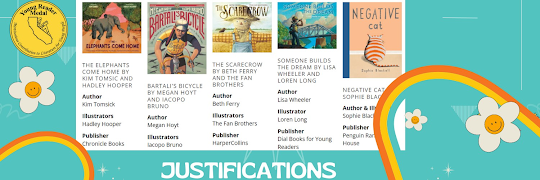
McCourt Thomas Head of Youth Services Lyons Regional Library District McCourt was introduced first. She explained that libraries often have book selection committees, however she is the decision maker at her location in Lyons. She has a policy she must follow when making a purchase: to identify two justifications for every book she requests. Justifications can include things like popular appeal, starred reviews, good reviews in respected sources, and/or that she read it herself and strongly recommends the book.
⭐Kirkus Starred review THREE PENNIES by Melanie Crowder
McCourt finds books by reading sources like Publishers Weekly, KirkusReview, ALA Booklist, , and others respected publications. She also reads AudioFile Magazine and often checks the Earphone Award. She likes referencing magazines that provided themed lists (a themed list might be books about construction trucks, books about inventors, or even books about underpants). 

McCourt says another way she discovers books is through publishers’ webinars featuring upcoming releases. She watches those to see what grabs her attention. Furthermore, she attends conferences like ALA, PLA (Public Library Association), SCBWI, and she receives galleys from publishers or she requests early reads on Netgalley (Netgalley provides e-galleys of books to vetted readers).  

McCourt’s buying decisions are also influenced by user requests, popular relevant subject matter, and what moves off the shelf (e.g., action books move more than “issue” books).  Lastly, publishers constantly send out blurbs about their frontlist. "Frontlist” books are newly released books, or re-released older books but with new covers.

McCourt reads through to see what fits the bill. Space at her location is constrained, so she has to make informed decisions and she typically stocks only one copy of a title.
"Can the text and art of my
picture book cut through the noise and caputre
kid's attention when the primary audience includes
doezens of two, three, and four-year-olds?" BITTY BOT by
Tim McCanna and I HAVE A BALLOON by Ariel Bernstein
do just that!
McCourt’s big advice for picture book writers is to think of story time in a library, school, or bookstore, and then ask yourself, “Can the text and art of my picture book cut through the noise and capture kid’s attention when the primary audience includes dozens of two, three, and four-year-olds?” McCourt says writers should cut out the wordiness and think about strong word choices, sounds, and page-turns—they matter!
McCourt explained that librarians often buy their books through large distributors like Ingram or Baker & Taylor.

Stephanie Coleman-Director of Buying, Tattered Cover Books

Stephanie agrees with McCourt’s sources for discovering books and adds that sales representatives from the publishing houses also influence her buying decisions. When a sales rep is excited about a book, the bookstore gets excited about a book. Sales representatives are often the publishing houses’ gatekeeps. They talk up their favorites, send specific links from Edelweiss (Edelweiss is an online source that carries all publishing house catalogs), share the book specs, plus they share their markup notes(i.e. if there is a movie coming out, if there are a lot of marketing dollars behind the book, if the author is going on tour, if the author has any high profile interviews in the works, like being featured on NPR or a talk show).  When making a buying decision, Stephanie also considers how an author did in their stores in the past and/or how comparable titles performed in sales. If the bookstore doesn’t have a track record on a particular author or illustrator, they plug a comp title into their computer and tally up results to see if they believe a similar title will generate interest. Sometimes the buyer loves a book and is willing to put in time to make sure it gets noticed through good in-store handsellers.
When Tattered Cover is enthusiastic about stocking a title, they purchase three to five copies of the title (as a general rule). Stephanie noted that she finds it interesting that sometimes a book in one region is a smashing success while in another region it isn’t a hit, but there’s no standard answer on why this occurs (other than the obvious being if a book is released in the author’s hometown or if marketing specifically targets a region). 
Whereas librarians make their purchases through Ingram or Baker & Taylor, bookstores buy directly through the publishers (the receive better pricing, plus they can return with publishers).

DISPLAY:  Which books get faced out?
There’s not a clear formula for this answer, however local authors often receive a front faced
display as do authors who are offering a signing and authors with “important” books or popular appeal books. Tattered Cover also has staff who make “Staff Picks”. Under special circumstances, publishers will send a “dump” which is a display case designed specifically for a particular book because the bookstore plans to buy quite a few.

Ida Olson: writer, freelance editor, and middle school librarian in Cheyenne Wyoming.  Email: idaedits at gmail dot com
When Ida Olson isn’t winning the Sue Alexander award or writing hysterical tweets @IdaOlson, she’s a busy junior high librarian for seventh and eighth grade students. Ida acquires 300-500 titles per year for her library. She noted that signed books are a big deal to students. When making buying decisions, she agrees with McCourt and says she is obligated to find justifications such as reading the book herself or finding review sources through School Library Journal, Booklist, etc.

Like McCourt, Ida purchases through Ingram, Baker and Taylor, and also Follett (they provide books plus library management software). These websites provide useful vetting tools, for example, when considering a particular book these websites list all of the reviews in one spots: reviews from School Library Journal, The Horn Book Review, Publisher’s Weekly, Booklist, Kirkus Reviews, etc.  can all be seen on a single page so the research is easy to compare and consider. Ida admits she tends to buy books that have stars, but she also wants to know “what the people really think” and she visits Amazon reviews, too.
One thing Ida says that bothers her is when reviewers say a story is cliché, because really, “How many things are cliché to a twelve-year-old?” Though it is hard for self-published authors to land in libraries, self-published authors now have a better chance to capture librarian’s attention by meeting the required justifications of positive reviews, since Kirkus now offers unbiased paid-for reviews. If a self-published book gets a star or a positive review, librarians are able to use that as a justification.


Ida is passionate about advising librarians to “select broadly”—books need to represent everyone and help showcase various viewpoints.  Ida’s library choices represent a broad range of colors and experiences. As far as displays go at her library, she rotates to make sure everything gets displayed as eye candy for kids. She also creates seasonal displays, back to school displays, sports displays, Halloween and holiday displays, and displays to promote what the reading teacher is working on in their classrooms.

QUESTIONS:
1.      How IMPORTANT is a book cover in the buying selection process?
The answer was unanimous: it’s HUGE!
“Cover is key,” Stephanie says.
Titles: It seems like there are 50 generic one-word title, but that’s okay. Titles don’t influence as much as covers do.
Staff recommendations also influences buying decisions.
McCourt advises to avoid the curse of the brown cover and says you should check out some of School Library Journal blogger, BetsyBird (Fuse 8) to see what she says about sepia or brown covers.
2.      What about ARCS (Advance Reader Copies)? How often do you receive/read them; how do you feel about authors reaching out to you with an arc; do you have more than you have time to read?
Stephanie from Tattered Cover says they receive ARCs all the time. She considers then extremely helpful. Though she doesn’t have time to read every single ARC, she does pass many to the Teen Advisory Board or she puts them in the staff break rooms and also gives to bookstore volunteers.
McCourt says she can request ARCs through Netgalley in order to receive online copies. She often reads picture books through this source and makes fast buying decisions. Book bloggers can sign up to read ARCs through Netgalley and if approved, they too can receive preview copies to read on phone, tablet, or e reader.

3.     

Are there any factors that influence your book buying habits that might surprise  authors?
Author’s should know what the summer reading program is going to be and see if their book is a fit. Also, check out “Friends of the Library” to find out the yearly, nationwide collaborative theme. Collaborative themes for 2017,2018, and 2019:  construction (2017); music(2018); space(2019).
Authors who are willing to come do story time, author event, or teen event influence a buyer’s decision.


4.      At what point do you choose to take a book off your shelf/remaindered books
IDA: 10 years old; looks at how many times book has been checked out. Considers if a book has a niche value. Even if it is not checked out often, she considers if the book represents an unrepresented group and has an important reason to stay.
STEPHANIE:  twice a year the bookstore does returns. It’s important for a bookstore to stay fresh. Diverse books they keep in stock for a long time. They keep a core backlist.
Has to do an inventory count once a year.  Stephanie says they wait six to nine months and if the book has absolutely no activity they stop ordering completely (they do cycle counting). If books are part of a series, they keep the first book of series and the most recent release at minimum.
MCCOURT – deselection is based on if a book is damaged, has no checkout activity, or gut decision.


5.      What else should we know?

Parting fast tips: Common core is moving out and narrative nonfiction as well as STEM are the new hot thing.
Parents come in and ask for themes (bulldozers, underwear, unicorns)
Story time attracts the four and under crowd. Use catchy phrases and alliteration to keep their attention. Read your manuscript out loud and see how it sounds, then ask someone else to read it to you.  

Write a funny and a scary book!

Blog Archive